
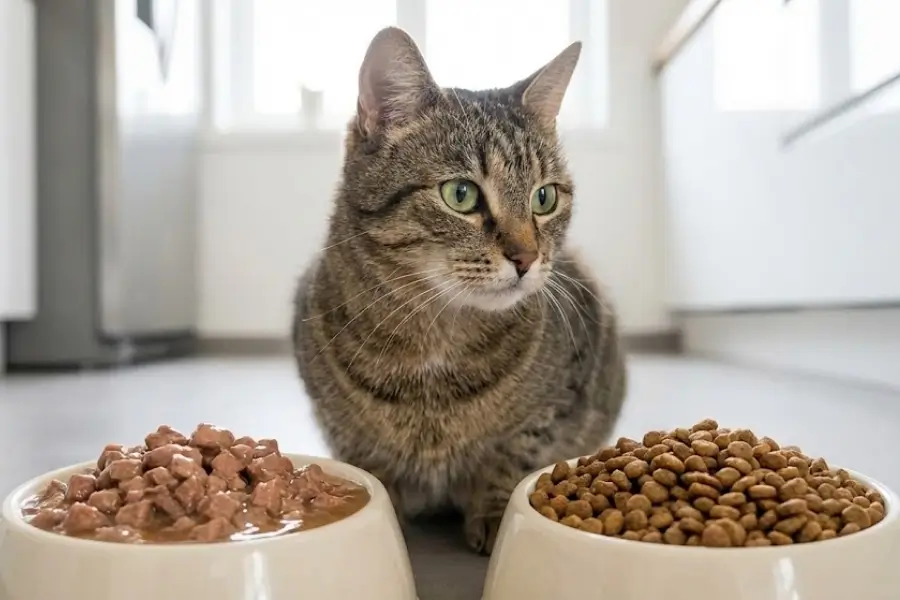
The debate between wet and dry cat food is common, with both options offering distinct advantages and disadvantages. The best choice ultimately depends on your cat’s individual health, age, lifestyle, and dietary needs.
The Case for Wet Cat Food
Wet cat food typically contains 75% to 85% water, which is its biggest benefit. Cats have a low thirst drive and often don’t drink enough water, making high-moisture food crucial for hydration.
– Hydration: Excellent for preventing urinary tract issues (crystals, stones) and supporting kidney health.
– Palatability: Many cats prefer the aroma and texture, making it a good choice for picky eaters.
– Lower in Carbohydrates: Generally contains fewer carbs and more protein, aligning better with a cat’s natural carnivorous diet.
– Weight Management: The high water content adds volume without adding many calories, aiding in satiety.
– Cons of Wet Food: It is generally more expensive, must be refrigerated after opening, and does not provide the abrasive action that helps clean teeth.
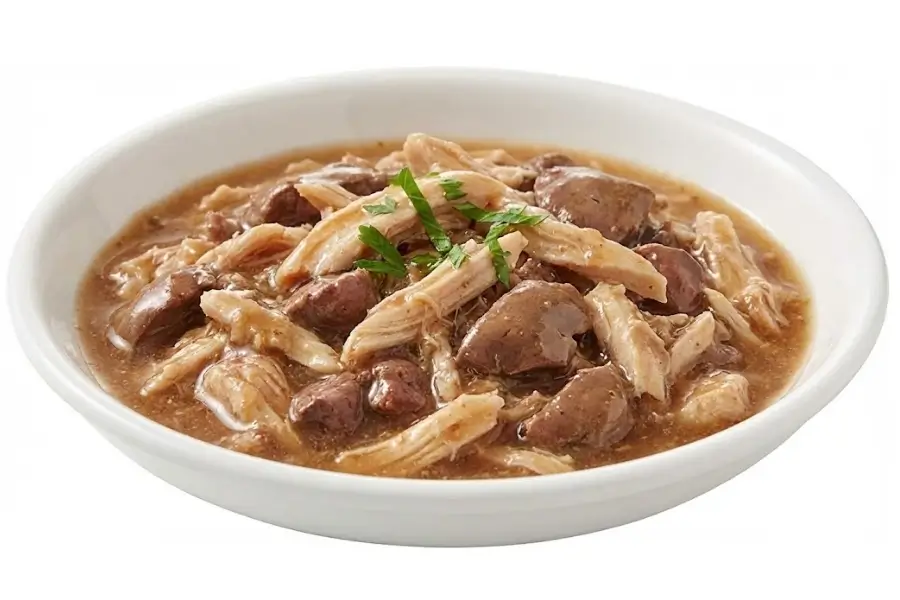
The Case for Dry Cat Food (Kibble)
Dry food is popular for its convenience and affordability, typically containing only about 10% water.
– Convenience: Can be left out for free-feeding without spoiling and is ideal for automatic feeders.
– Cost-Effective: Generally the most budget-friendly option.
– Dental Health: The crunchy texture offers some abrasive action that may help reduce plaque and tartar.
– Storage: Has a long shelf life and is easy to store.
– Cons of Dry Food: Low moisture content can lead to chronic dehydration. It often contains higher levels of carbohydrates and plant-based proteins than wet food.
The Verdict: Which Is Best?
There is no single “best” food for every cat, and many experts recommend a combination approach.
– Combination Diet: Feeding both wet and dry food offers the benefits of hydration and palatability (wet) alongside the convenience and potential dental benefit (dry).
– Health Conditions: If your cat has a history of urinary issues, kidney disease, or is overweight, your veterinarian will likely recommend a predominantly wet-food diet.
– Quality Over Type: Regardless of whether you choose wet or dry, the most important thing is to select a high-quality food that lists a named animal protein as the first ingredient.
Conclusion
Consult with your veterinarian to determine the best dietary plan for your individual cat’s needs. By choosing a high-quality food and considering their hydration needs, you can ensure your cat receives optimal nutrition.












0 Comments