
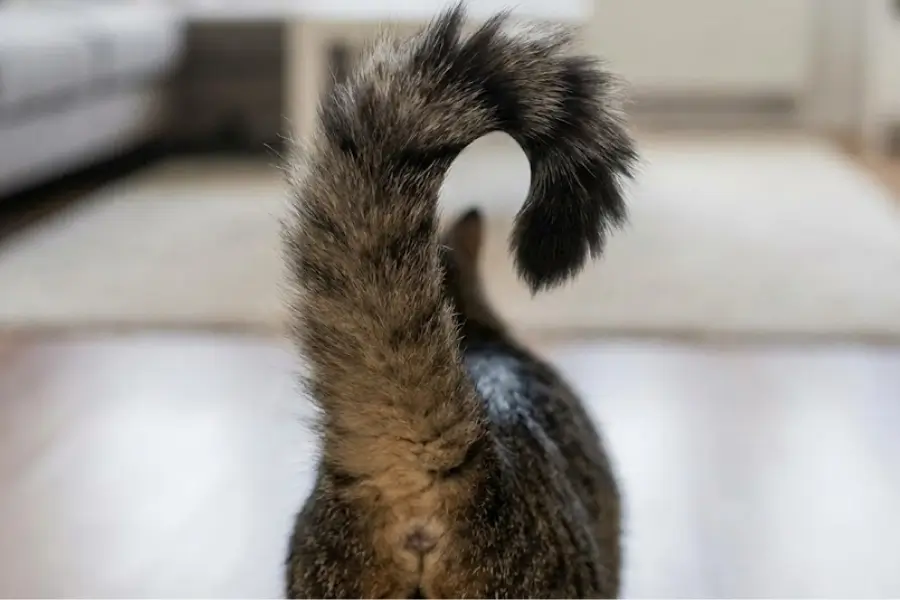
The tail is arguably the most expressive part of a cat’s body, serving as a primary tool for communication. However, a cat’s tail language is far more nuanced than a dog’s, where a wag almost always means happiness. A cat’s tail can signal anything from intense affection to high aggression. By learning to accurately decode these subtle shifts in position and movement, you can gain a deeper understanding of your feline friend’s emotional state and needs.
The Friendly Signals: Love and Contentment
These are the tail positions you want to see most often, as they indicate a happy, confident, and relaxed cat.
– The Straight-Up Quiver: When your cat approaches you with their tail held high and vibrating slightly, it is a sign of immense pleasure, affection, and greeting. It’s like a full-body happy wag and often signals anticipation for food or attention.
– The Question Mark Tail: A tail held high with a slight curve or “question mark” bend at the tip. This is a classic friendly signal, indicating your cat is feeling playful, curious, and open to interaction.
– The Gentle Wrap: When your cat wraps their tail around your leg, arm, or another pet, it is a social gesture indicating friendship and acceptance into the group.
– The Slow Blink Stare: Often paired with a friendly tail, the slow blink (when your cat slowly closes and opens their eyes while looking at you) is the ultimate sign of trust and affection, their way of saying, “I love you and feel safe.”
The Warning Signs: Agitation and Fear
These tail positions signal that your cat is stressed, angry, or fearful, and you should give them space.
– The Fast Thrash/Swish: A quick, vigorous lashing or slamming of the tail against the ground is a clear sign of agitation, irritation, or conflict. If your cat is swishing their tail while you’re petting them, it’s a strong signal to stop immediately.
– The Low Swish/Twitch: A tail held low and twitching at the tip often indicates focus and hunting readiness, but in a social context, it means they are considering an action and may be feeling nervous or conflicted.
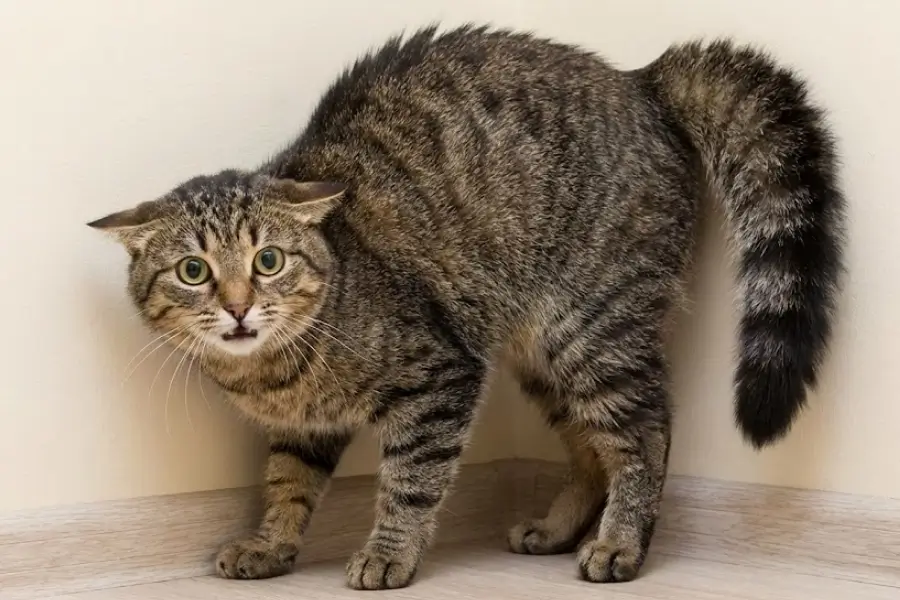
– The Puffball (Bottle Brush): The tail and body fur stand straight up, making the tail look like a bottle brush. This is a clear defense or aggression posture. The cat is trying to look larger and more intimidating to scare away a threat.
– The Tucked Tail: A tail held tightly against the body or tucked between the legs signals fear, anxiety, or submission. The cat is feeling insecure and trying to make itself small.
The Neutral Signals: Focus and Illness
Sometimes the tail is simply neutral or signals a physical state.
– The Neutral Height: A tail held straight out behind the cat, slightly lower than horizontal, indicates a calm, content, and relaxed state. The cat is simply observing its environment.
– Still and Low: If a usually active cat holds its tail low and keeps still for a long time, it can sometimes be a subtle sign of pain or sickness. A healthy cat will use its tail actively.
Conclusion
Understanding your cat’s tail language is a powerful tool for improving your relationship. By reading these signals, you can know when your cat needs cuddles, when they need space, and when they are feeling stressed. This observational skill ensures you respond appropriately to your cat’s needs, leading to a happier, less-stressed feline companion.










0 Comments