
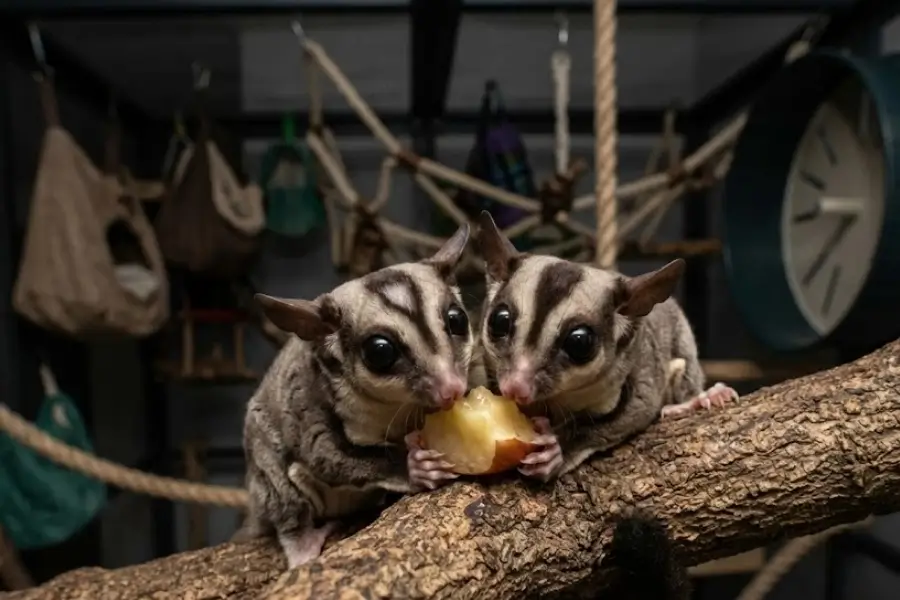
With their enormous, saucer-like eyes, soft fur, and the unique ability to glide through the air, sugar gliders (Petaurus breviceps) have glided their way into the hearts of exotic pet enthusiasts worldwide. These small, nocturnal marsupials from Australia, Indonesia, and New Guinea are undeniably adorable. However, behind the cute facade lies a complex and demanding pet that is not suitable for everyone. Owning a sugar glider is a 10-15 year commitment that requires significant time, patience, and specialized care that goes far beyond what a typical hamster or gerbil needs. Before you are captivated by their charm, it is crucial to understand the reality of welcoming these exotic creatures into your home.
The Social Imperative: Never Buy Just One
In the wild, sugar gliders live in colonies of up to 10-15 individuals. Their social structure is complex, and their need for companionship is instinctual and intense. A solitary sugar glider is a recipe for disaster. Deprived of social interaction, they can become profoundly depressed, leading to behavioral issues like excessive barking, self-mutilation, and even death.
For this reason, it is universally recommended by veterinarians and experienced owners to keep sugar gliders in groups of at least two. The time you spend with them, while important, cannot replace the constant companionship, grooming, and communication they get from their own kind.
A Complex & Specialized Diet
Feeding a sugar glider is not as simple as filling a bowl with kibble. Their natural diet consists of sap, nectar, pollen, and insects. Replicating this in captivity is one of the biggest challenges of ownership. An improper diet is a leading cause of health problems, including obesity, malnutrition, dental disease, and metabolic bone disease.
A balanced sugar glider diet typically involves:
– A specific nectar-replacement recipe (like Leadbeater’s mix or BML diet).
– Fresh fruits and vegetables provided daily.
– Protein sources like gut-loaded insects (crickets, mealworms) or cooked eggs.
This requires daily preparation. You cannot simply feed them fruit, as this leads to calcium deficiency, nor can you feed them cat or reptile food, which is not nutritionally appropriate.
The Night Shift: Nocturnal Life and Noise
Sugar gliders are nocturnal. This means their peak activity time is during the night, while you are likely trying to sleep. They will be awake, running on their wheels, barking, and playing from dusk until dawn. Their vocalizations can be surprisingly loud, including a sharp “bark” similar to a small dog and a hissing sound known as “crabbing” when frightened.
During the day, they require a quiet, dark place to sleep. Waking them up for playtime is stressful and can lead to biting. If you are a light sleeper or have a schedule that doesn’t allow for evening interaction, a sugar glider is likely not the right pet for you.
Housing & Enrichment Needs
These active little animals need space, a lot of it. The minimum recommended cage size for a pair is 24 inches deep, 24 inches wide, and 36 inches high, but bigger is always better. Height is especially important to allow them room to climb and glide.
The cage should be an enriching environment filled with:
– Multiple sleeping pouches: Fleece pouches suspended from the top provide a secure, dark place to sleep.
– Climbing structures: Ropes, ladders, and safe branches are essential.
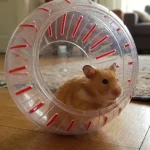
– A glider-safe wheel: A solid-surfaced wheel with no wire rungs is crucial for exercise.
– Foraging toys: Toys that require them to work for their food provide mental stimulation.
Bonding: A Patience Game
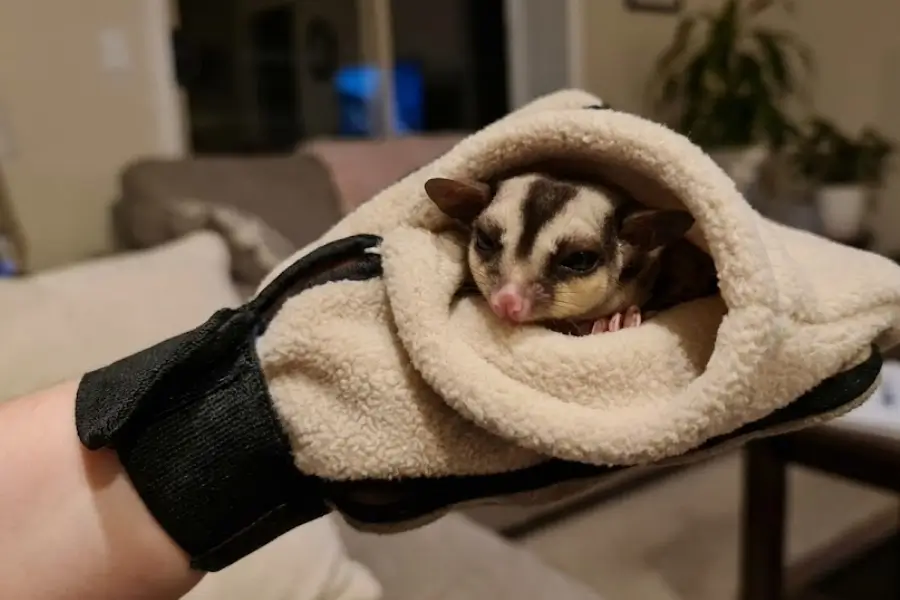
Sugar gliders are not born tame. Building a bond of trust takes enormous patience and consistency. The process often involves “pouch bonding,” where you carry the sleeping glider in a pouch against your body during the day so they get used to your scent and movement.
Initially, they will be scared and may bite or “crab” at you. It can take weeks or even months for a sugar glider to become comfortable being handled. Once bonded, they can be incredibly affectionate and playful, but earning that trust is a journey.
Conclusion
In conclusion, while sugar gliders are fascinating and adorable, they are a high-maintenance pet best suited for dedicated, informed owners. They are not “starter pets” for children. If you are considering one, extensive research and a realistic assessment of your lifestyle are the first and most important steps.










0 Comments